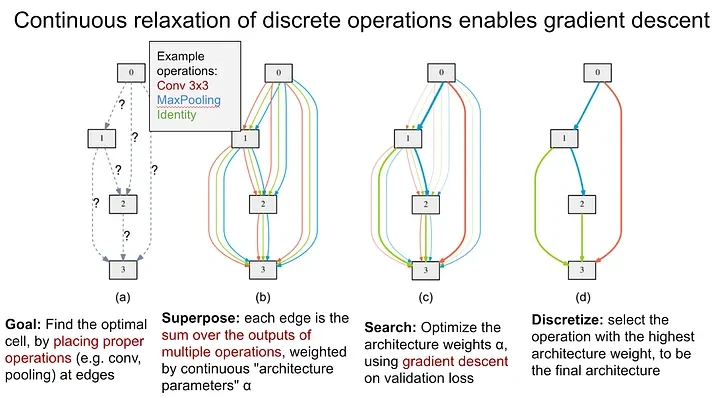
Differentiable Neural Architecture Search for Scientific Datasets
We evaluated DARTS as an efficient way to discover neural architectures for materials science, astronomy, and medical imaging.
We evaluated DARTS as an efficient way to discover neural architectures for materials science, astronomy, and medical imaging.
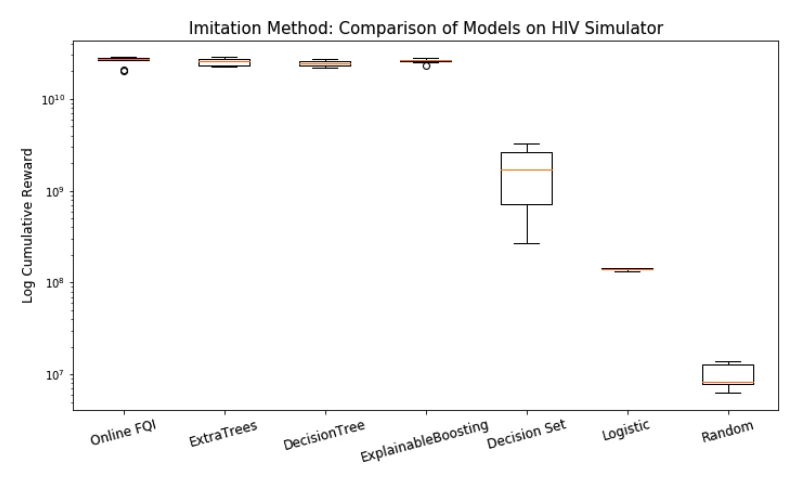
We distilled black-box reinforcement-learning policies into readable decision sets and measured the tradeoff between interpretability and performance.
Recently, in my role as Data Scientist at Amazon, I have been faced with one of the fundamental dichotomies of data science: the tradeoff between inference and prediction (aptly discussed in this H...
I recently re-read an article which I have become very fond of: “Artificial Intelligence: The Revolution Hasn’t Happened Yet” by one of the most respected researchers in the world of computer scien...
Last night, I started reading Malcolm Gladwell’s book, Outliers, and today I would like to write down my thoughts about it. In Outliers, Gladwell seeks to uncover the hidden alchemy of success and ...
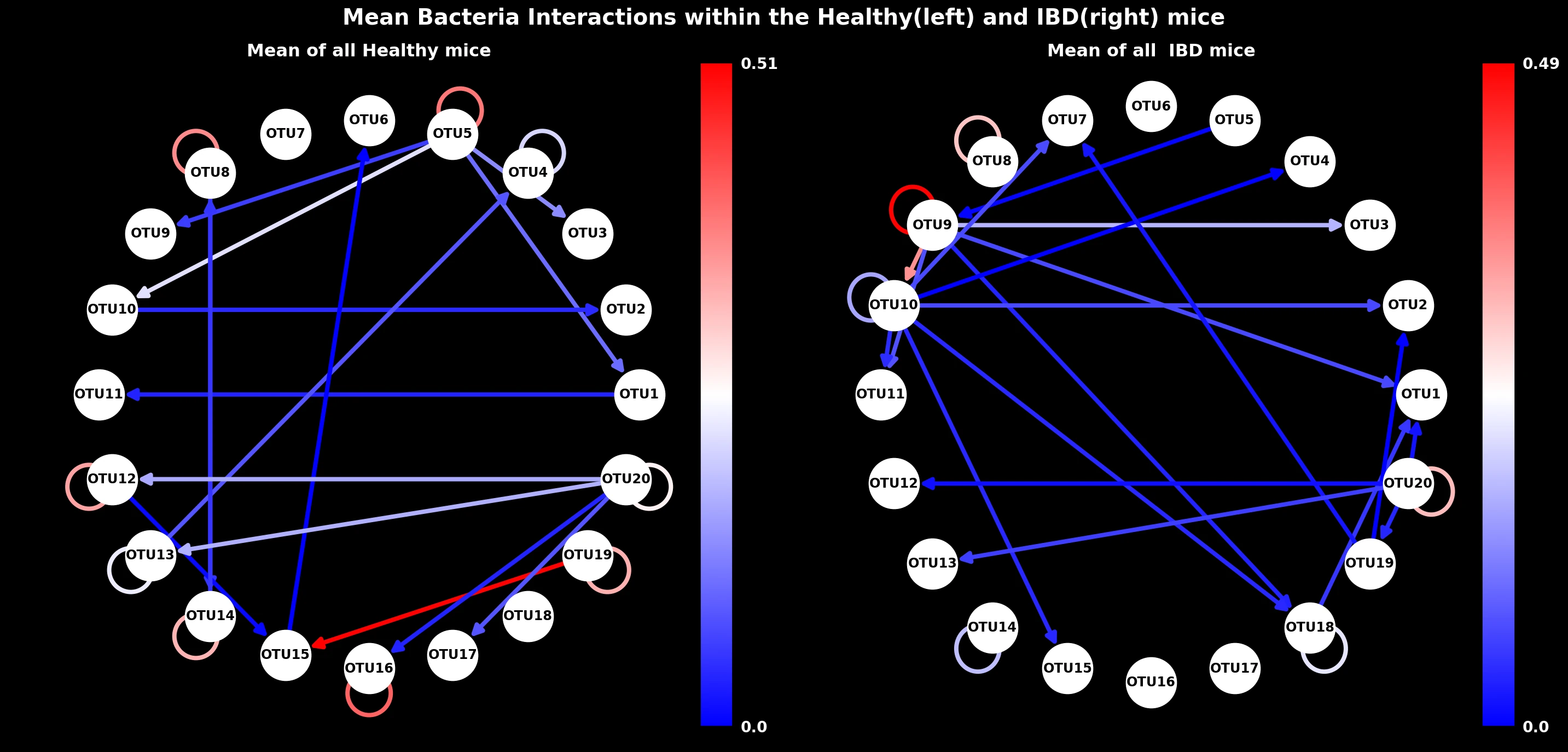
We used sparse LSTM models and Granger-causal analysis to compare microbial interactions in healthy and IBD mice.
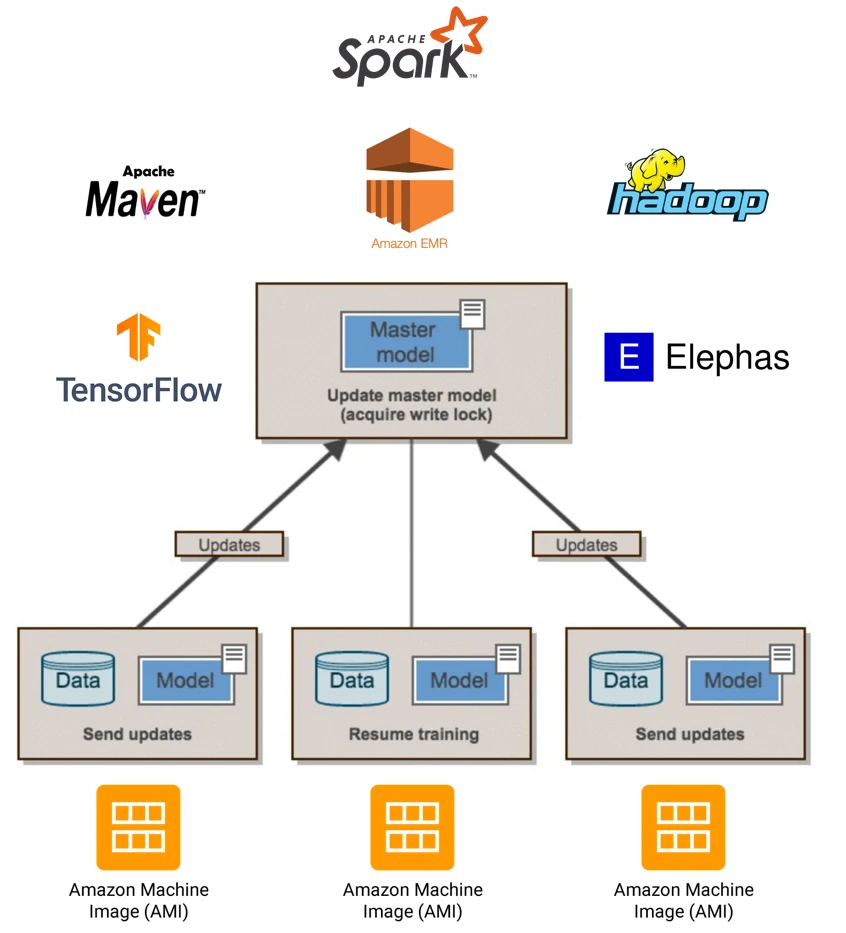
We trained bidirectional LSTM video classifiers over YouTube-8M using Spark, Elephas, HDFS, and an AWS EMR cluster.
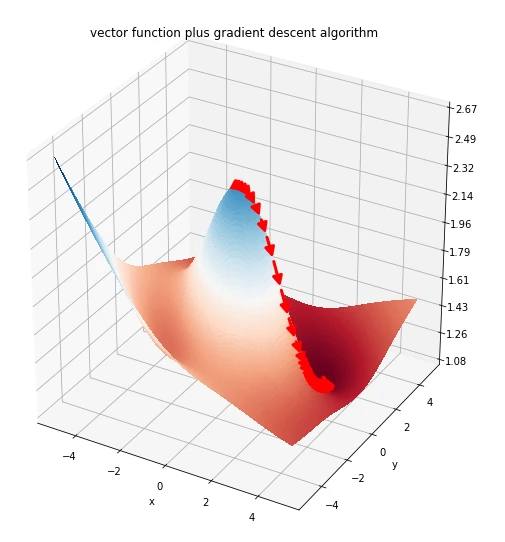
We built a Python library for forward- and reverse-mode automatic differentiation, Jacobians, and gradient-based optimization.
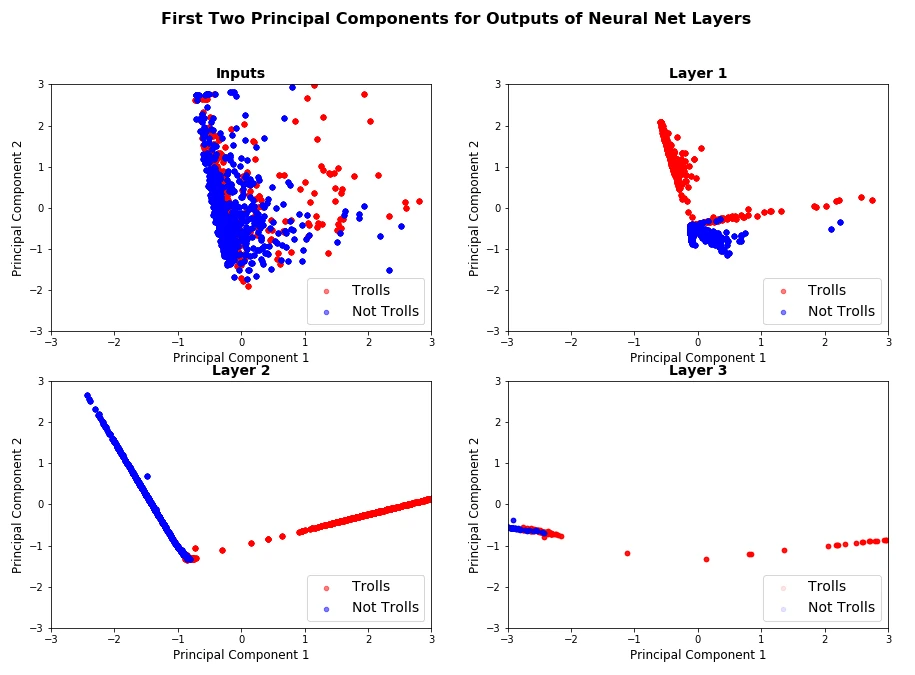
We compared text representations and classifiers for identifying tweets from Internet Research Agency accounts.
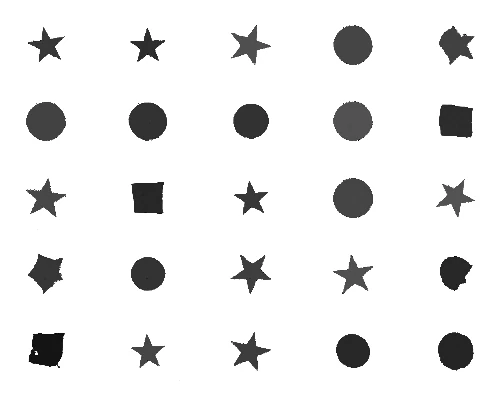
We reproduced and evaluated a Bayesian GAN that uses stochastic-gradient MCMC to improve mode diversity and semi-supervised learning.