Multi-Modal Learning for Multi-Suction Picking at Scale
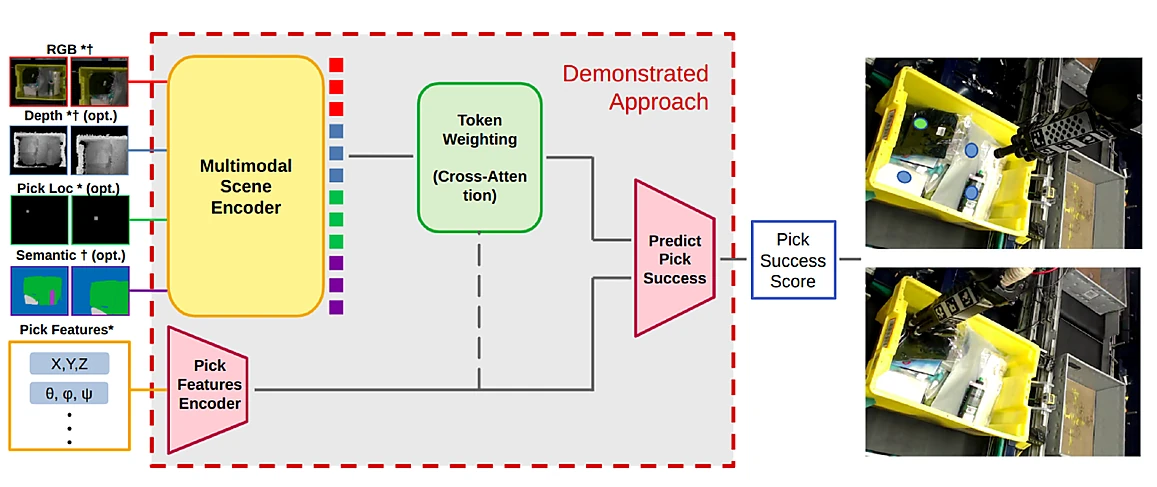
We learned to score multi-suction robot picks from real industrial data using visual pretraining and cross-modal attention.
AI · Robotics · Embodied Intelligence
Applied scientist and technical lead building learning systems for dexterous robot manipulation.
I work across imitation learning, reinforcement learning, perception, and deployed robotics—turning research into systems that operate at industrial scale.

We learned to score multi-suction robot picks from real industrial data using visual pretraining and cross-modal attention.
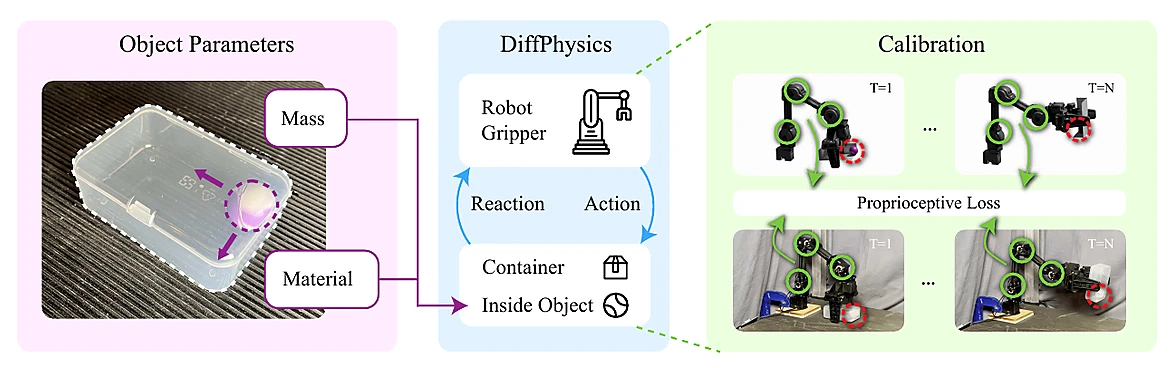
We used differentiable robot-object simulations to estimate mass and softness from joint encoders alone.
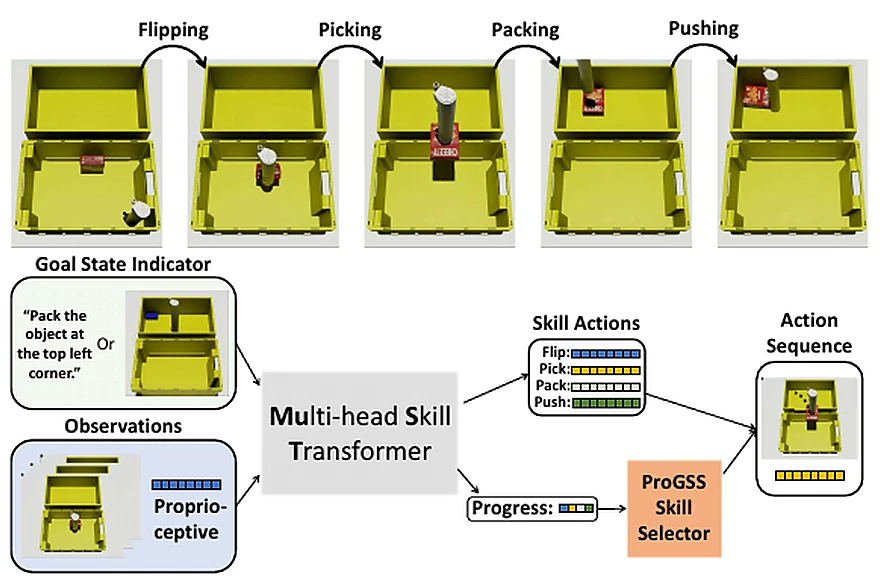
We developed a transformer policy that learns reusable manipulation skills and chains them using estimates of skill progress.
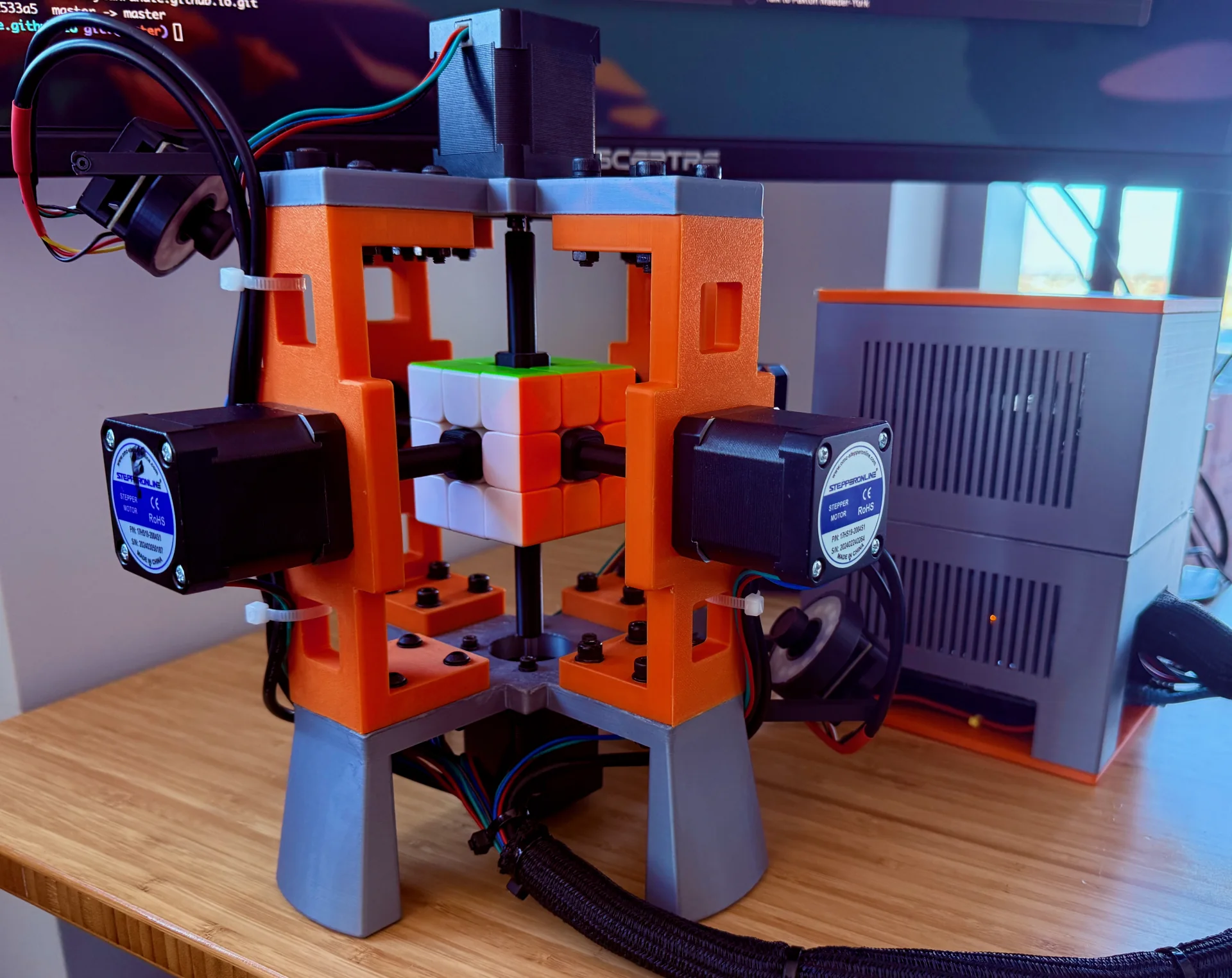
A robot that autonomously solves a Rubik's cube.
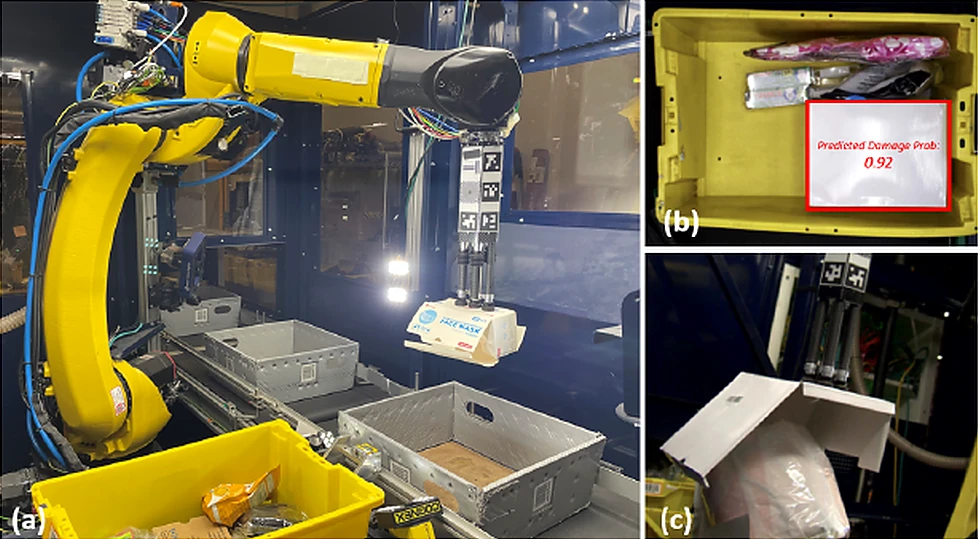
We built and deployed a damage-risk classifier that reduced robot-induced object damage in a warehouse manipulation system.
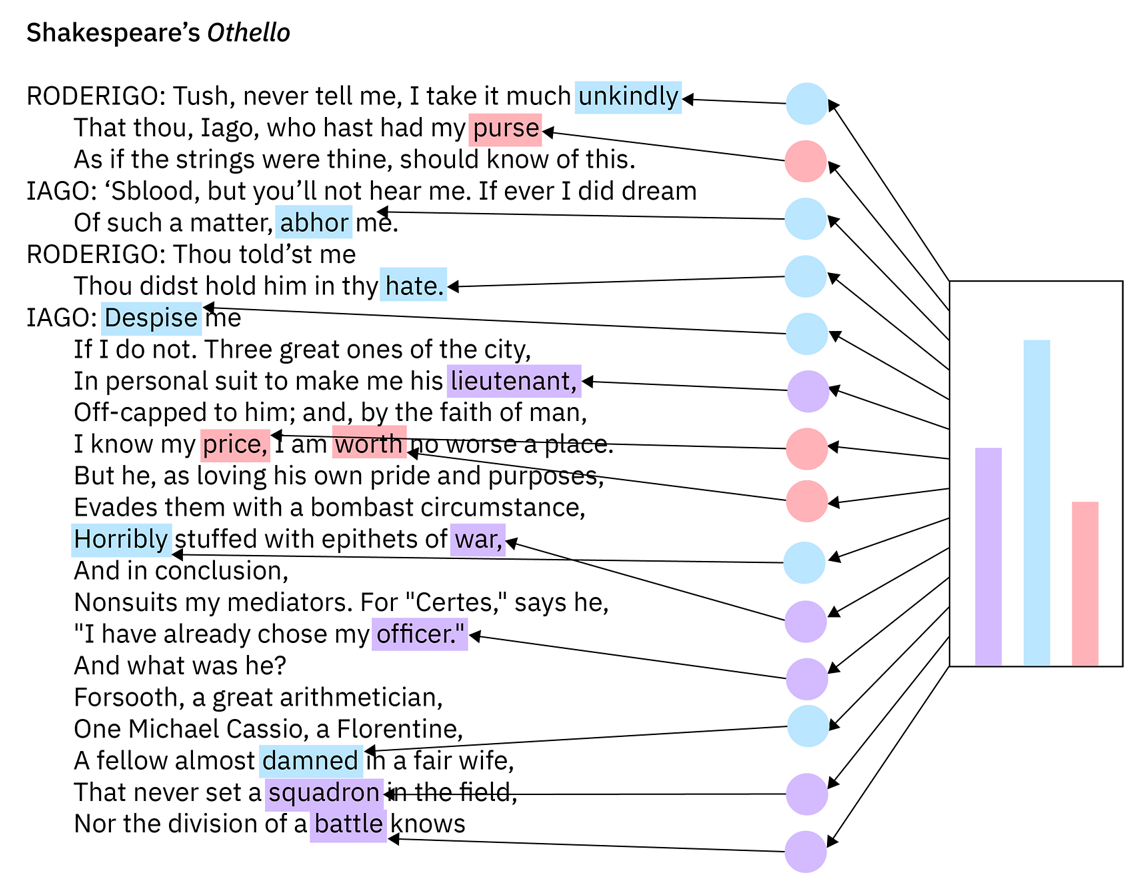
I built a live trading system that used topic models over financial news to predict cross-sectional price movements at the market open.
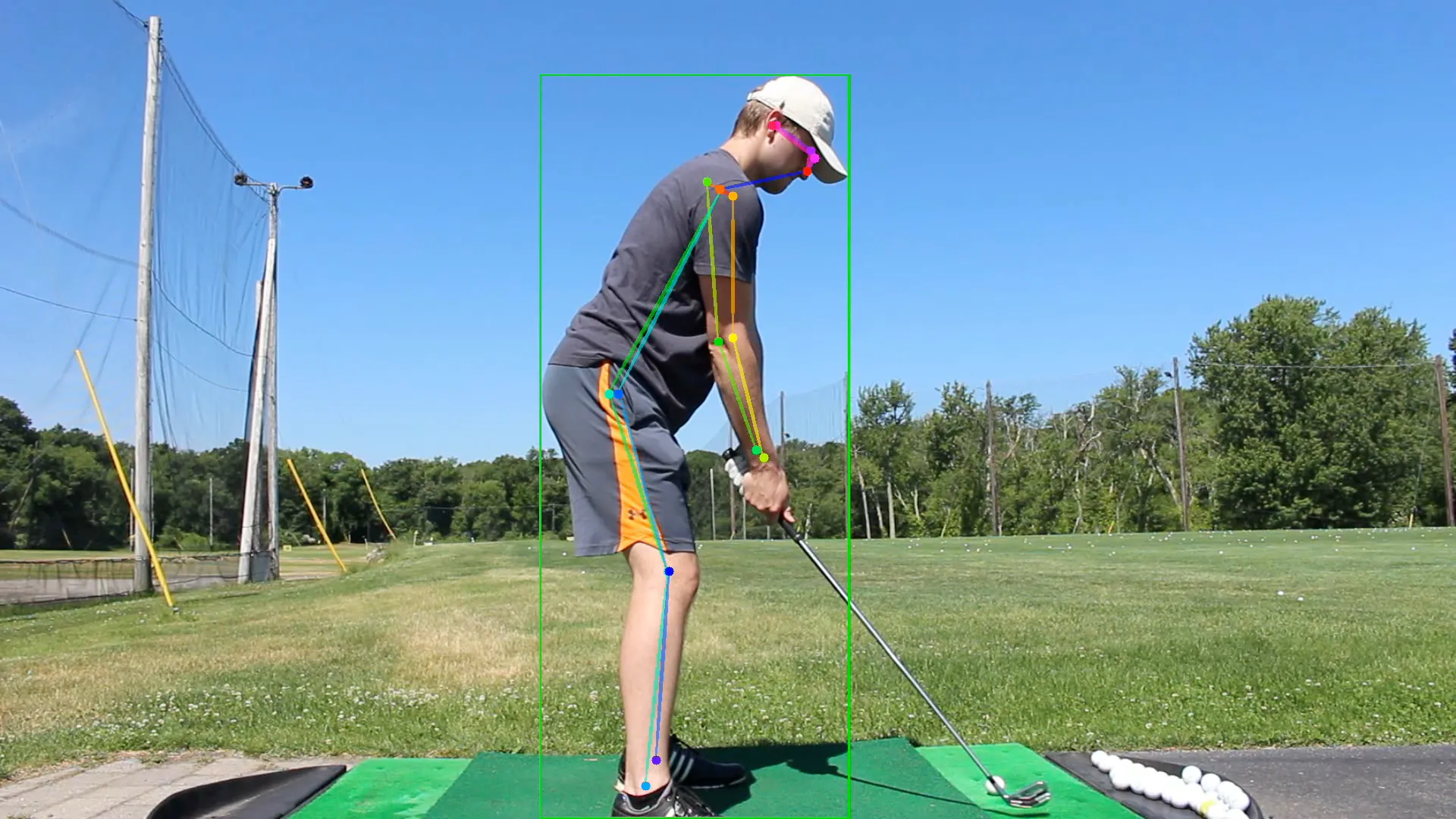
I explored how well human pose estimation could track a golfer's body through a fast, highly articulated swing.

I trained a VAE on faces to explore how sampling a latent space and changing facial attributes affect the images it generates.
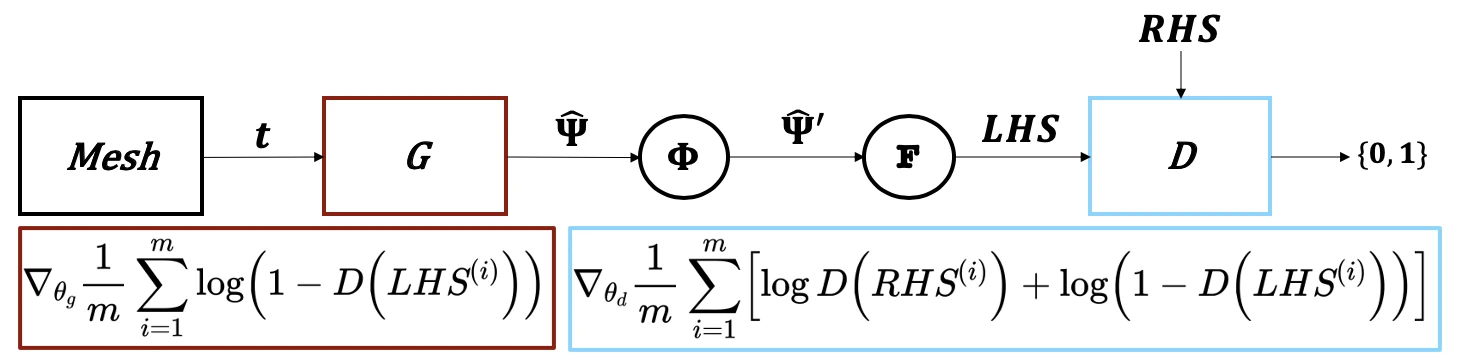
We developed an adversarial training objective that lets physics-informed neural networks learn how to penalize differential-equation residuals.
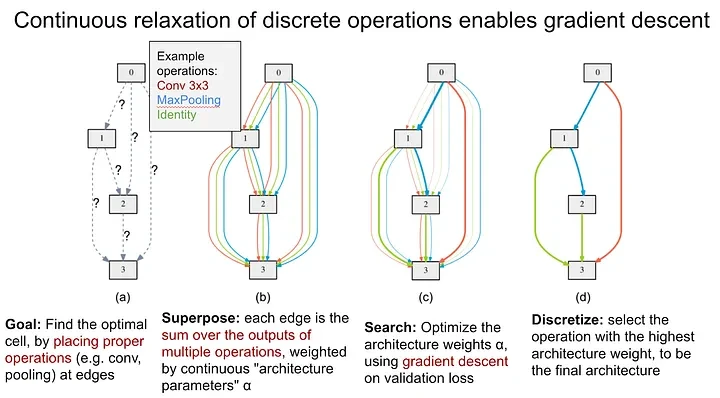
We evaluated DARTS as an efficient way to discover neural architectures for materials science, astronomy, and medical imaging.
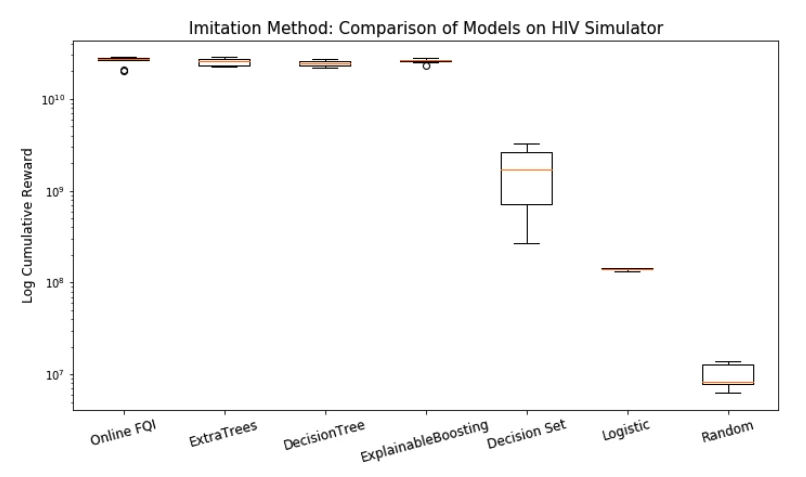
We distilled black-box reinforcement-learning policies into readable decision sets and measured the tradeoff between interpretability and performance.
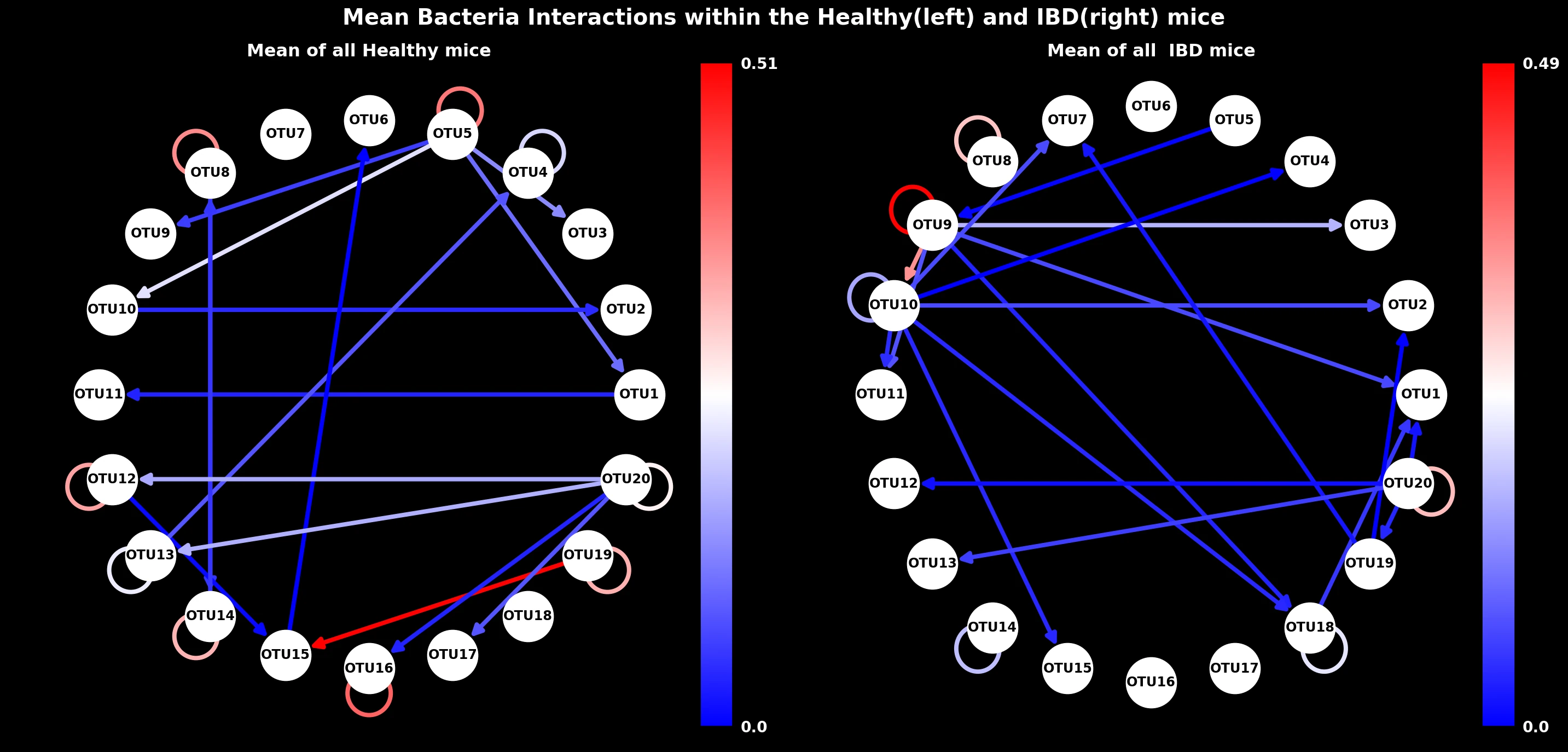
We used sparse LSTM models and Granger-causal analysis to compare microbial interactions in healthy and IBD mice.
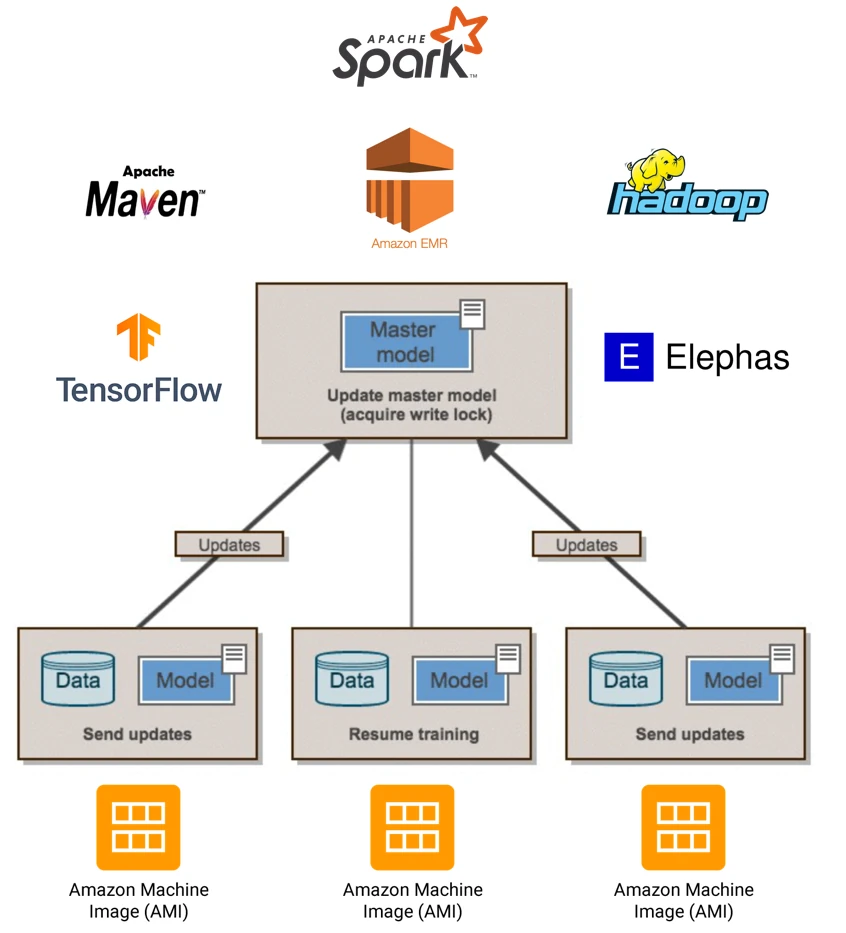
We trained bidirectional LSTM video classifiers over YouTube-8M using Spark, Elephas, HDFS, and an AWS EMR cluster.
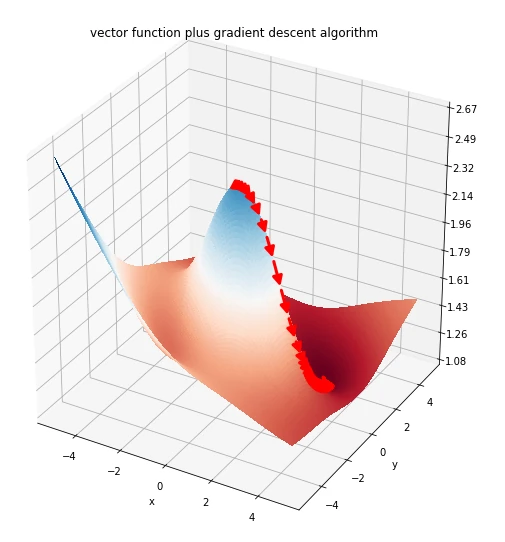
We built a Python library for forward- and reverse-mode automatic differentiation, Jacobians, and gradient-based optimization.
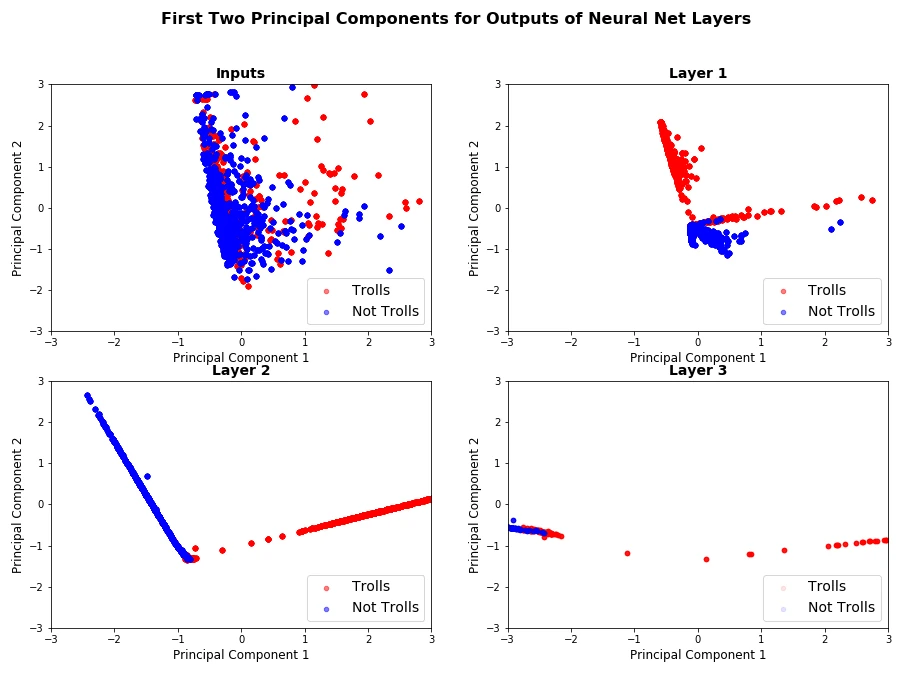
We compared text representations and classifiers for identifying tweets from Internet Research Agency accounts.
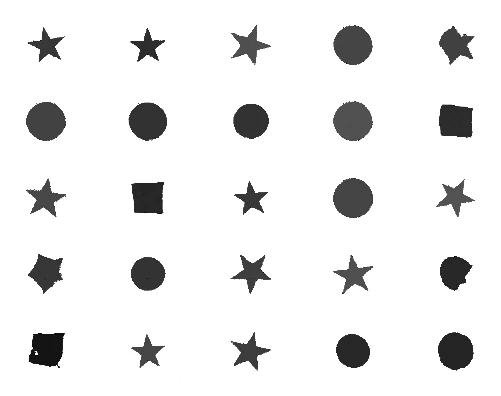
We reproduced and evaluated a Bayesian GAN that uses stochastic-gradient MCMC to improve mode diversity and semi-supervised learning.