Skip to content
Dylan Randle.
ProjectsBlogAbout

Projects

Projects &
research.

Work across robotics, machine learning, computer vision, and applied artificial intelligence.

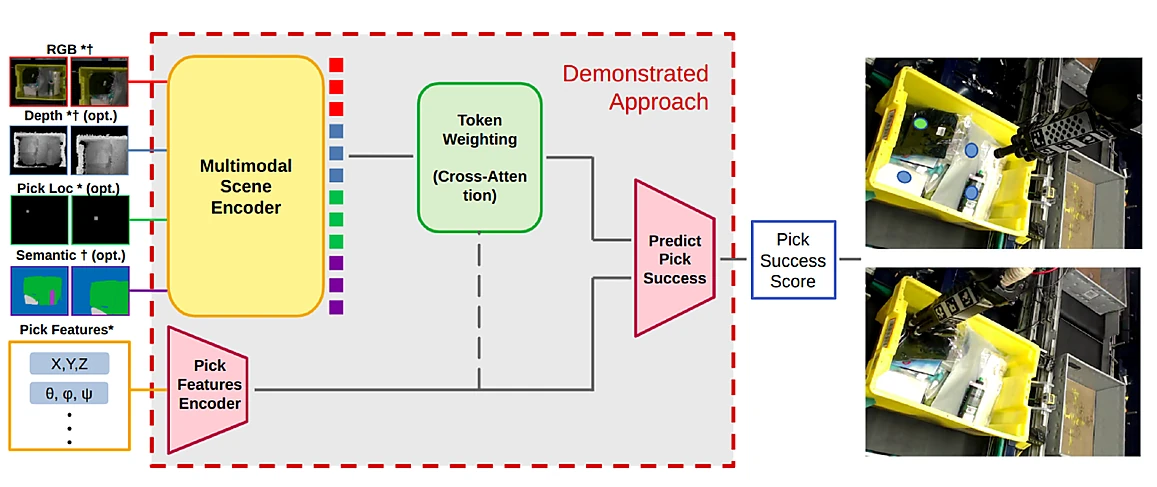
A multimodal perception model scoring candidate multi-suction picks in an industrial workcell
ResearchJun 21, 2025

Multi-Modal Learning for Multi-Suction Picking at Scale

We learned to score multi-suction robot picks from real industrial data using visual pretraining and cross-modal attention.
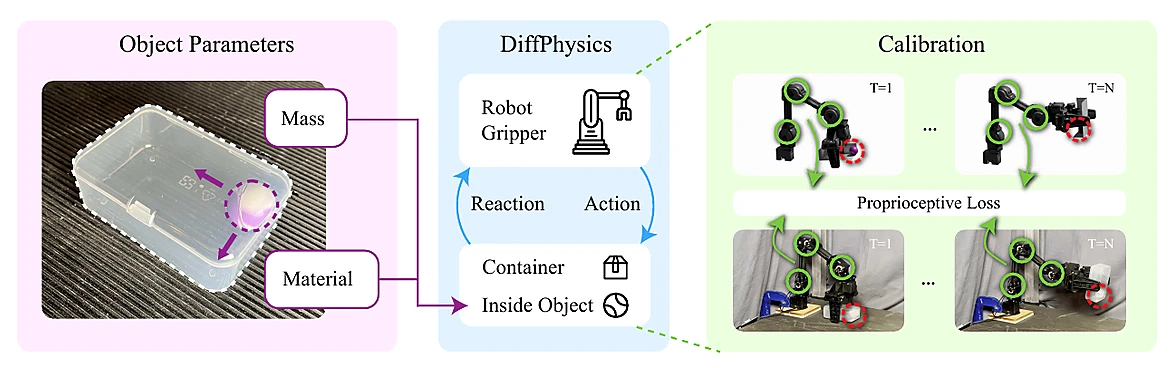
Differentiable-physics calibration of object mass and material properties using robot joint positions
ResearchMay 19, 2025

Learning Object Properties Through Robot Proprioception

We used differentiable robot-object simulations to estimate mass and softness from joint encoders alone.
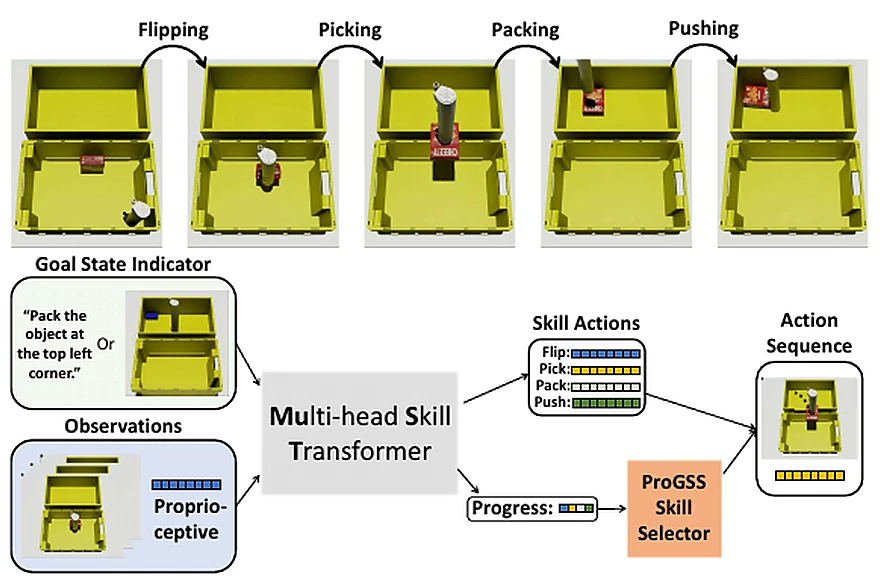
MuST chaining flipping, picking, packing, and pushing skills using progress-guided selection
ResearchMay 19, 2025

MuST: A Multi-Head Skill Transformer for Long-Horizon Manipulation

We developed a transformer policy that learns reusable manipulation skills and chains them using estimates of skill progress.

ProjectsNov 3, 2024

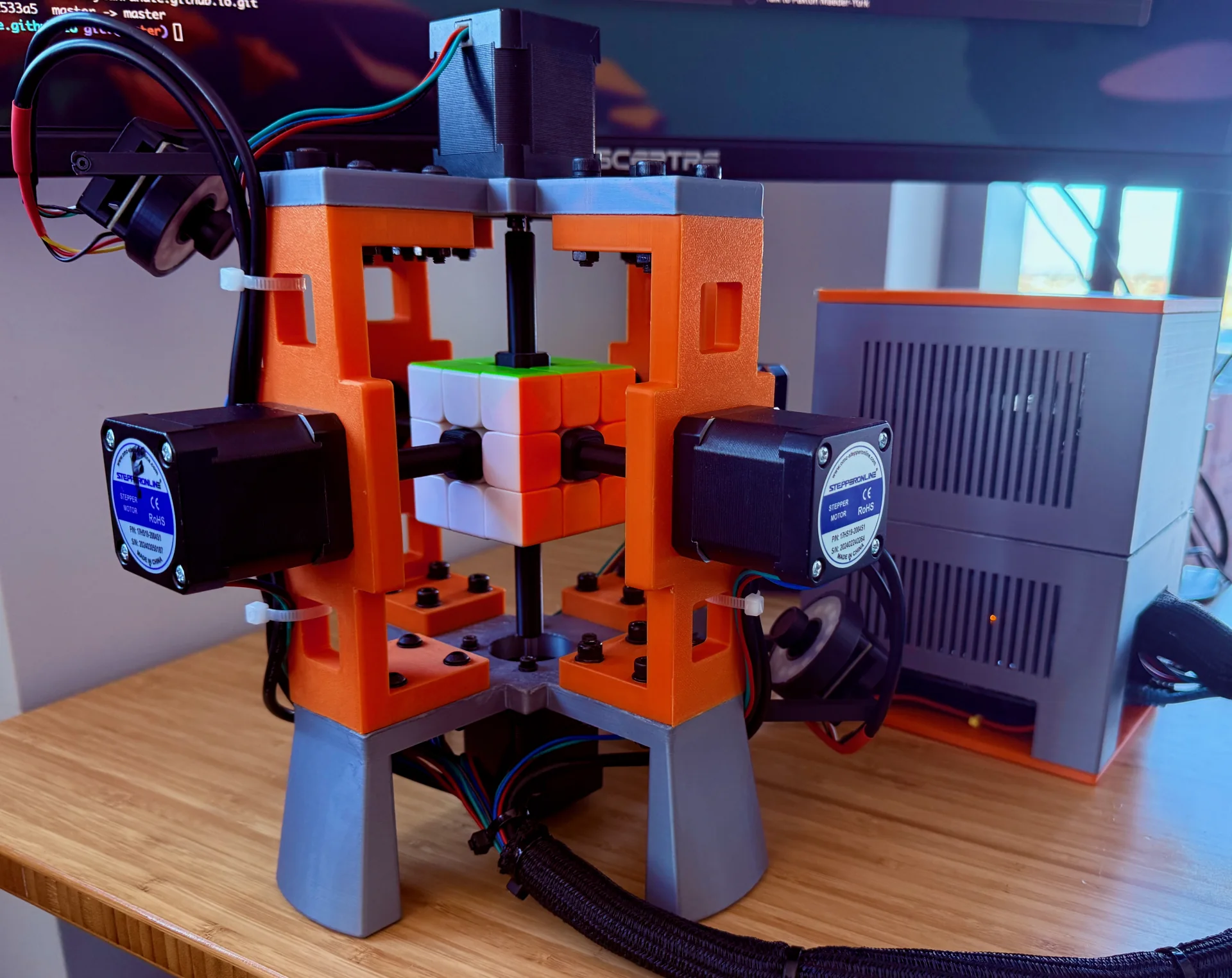
Rubik's Cube Solving Robot

A robot that autonomously solves a Rubik's cube.
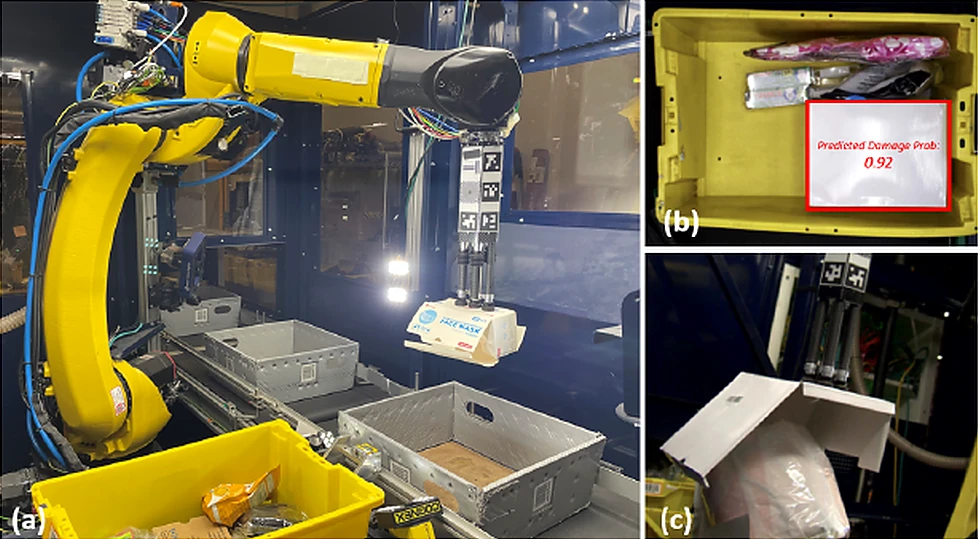
An Amazon Robotics workcell, an object flagged as high risk, and an example of package damage
ResearchOct 14, 2024

Avoiding Object Damage in Robotic Manipulation

We built and deployed a damage-risk classifier that reduced robot-induced object damage in a warehouse manipulation system.
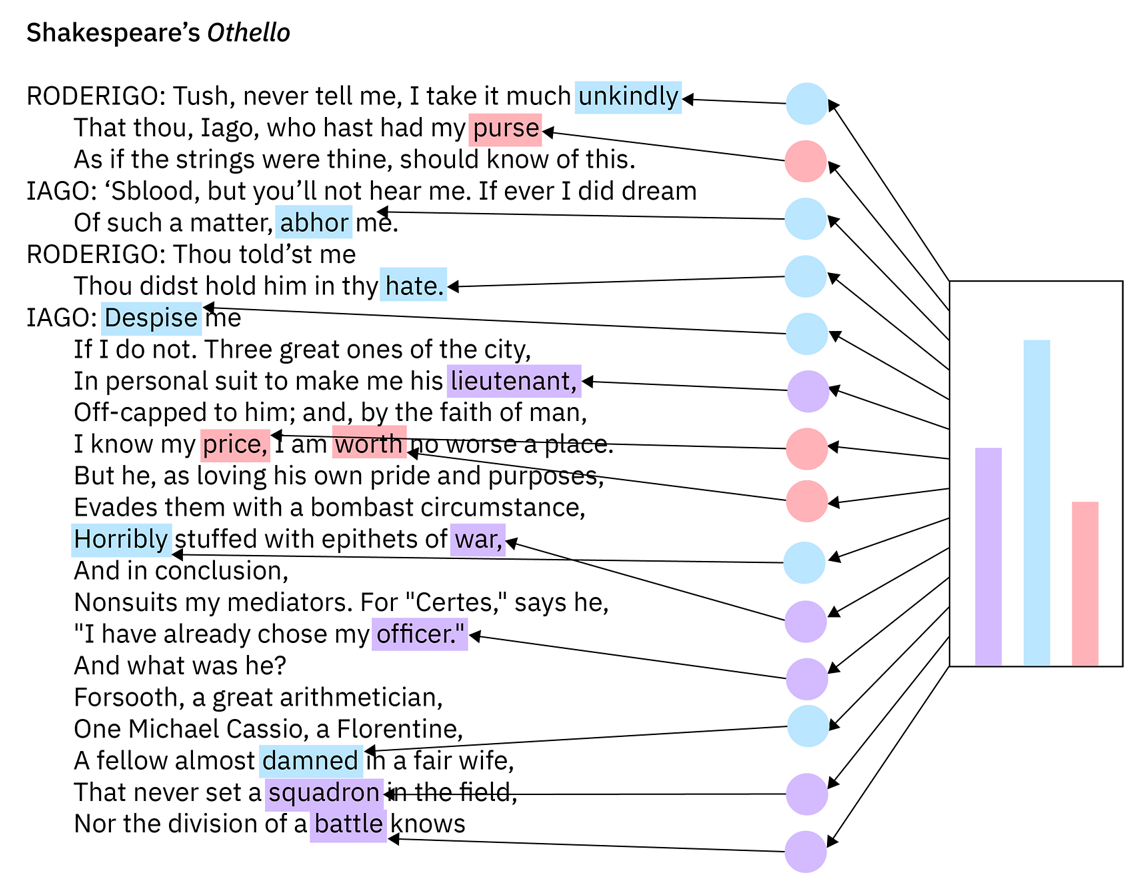
Illustration of a document represented as a mixture of latent topics and word assignments
ProjectsJun 1, 2023

Real-Time Quantitative Trading System

I built a live trading system that used topic models over financial news to predict cross-sectional price movements at the market open.

ProjectsJul 20, 2020

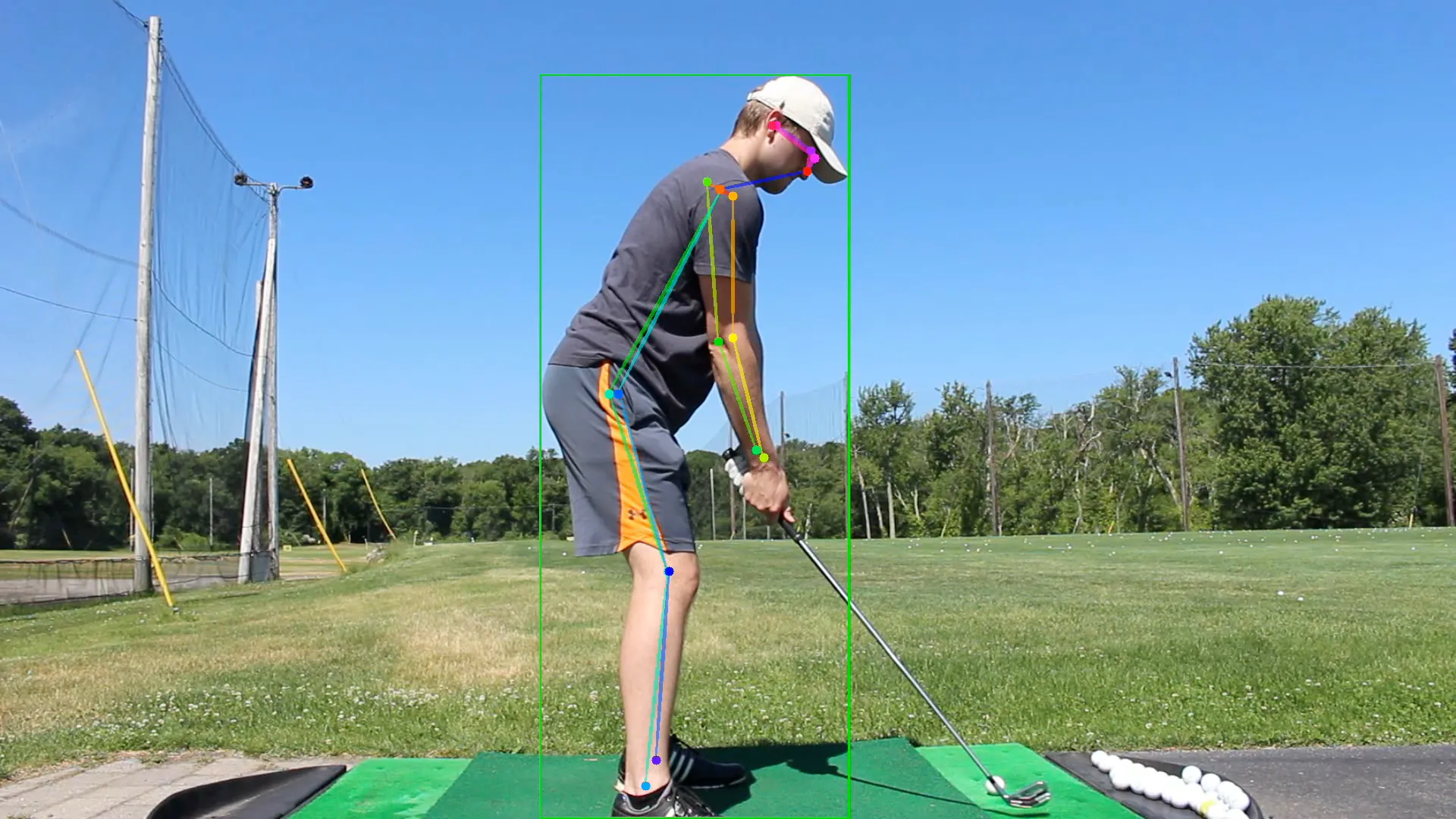
Golf Swing Analysis with Computer Vision

I explored how well human pose estimation could track a golfer's body through a fast, highly articulated swing.

A grid of synthetic faces generated by a ResNet variational autoencoder
ProjectsJun 25, 2020

Generating Faces with a ResNet VAE

I trained a variational autoencoder (VAE) on the CelebA dataset to generate faces.

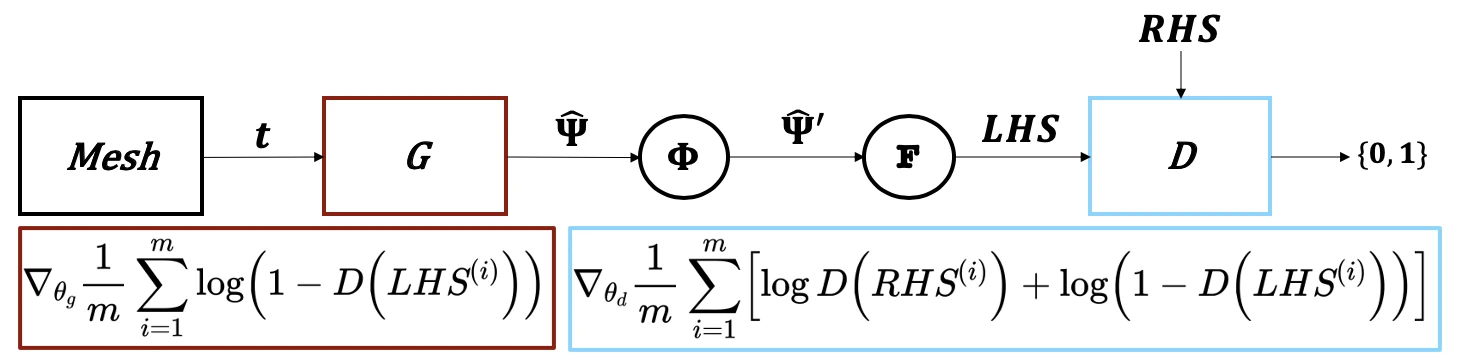
Diagram of the DEQGAN generator, differential equation residual, and discriminator
ResearchMay 15, 2020

Physics-Informed Generative Adversarial Networks for Differential Equations

We developed an adversarial training objective that lets physics-informed neural networks learn how to penalize differential-equation residuals.
Training, validation, and test learning curves for a DARTS model on graphene kirigami data
ProjectsDec 15, 2019

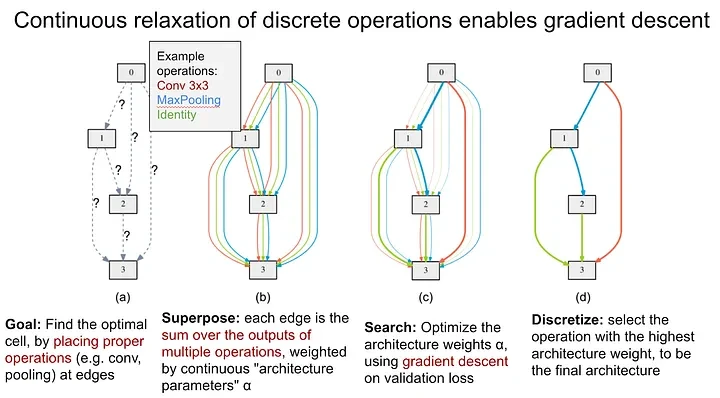
Differentiable Neural Architecture Search for Scientific Datasets

We evaluated DARTS as an efficient way to discover neural architectures for materials science, astronomy, and medical imaging.
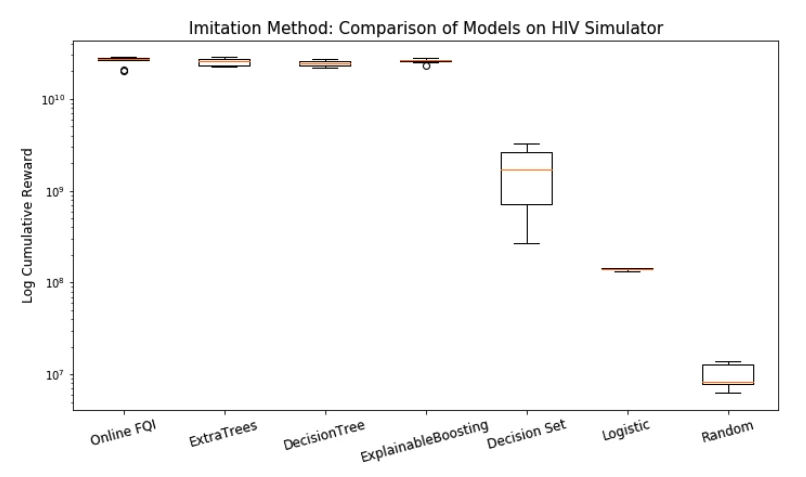
Cumulative rewards of interpretable models trained with DAgger in an HIV simulator
ProjectsDec 15, 2019

Interpretable Reinforcement Learning for Healthcare

We distilled black-box reinforcement-learning policies into readable decision sets and measured the tradeoff between interpretability and performance.
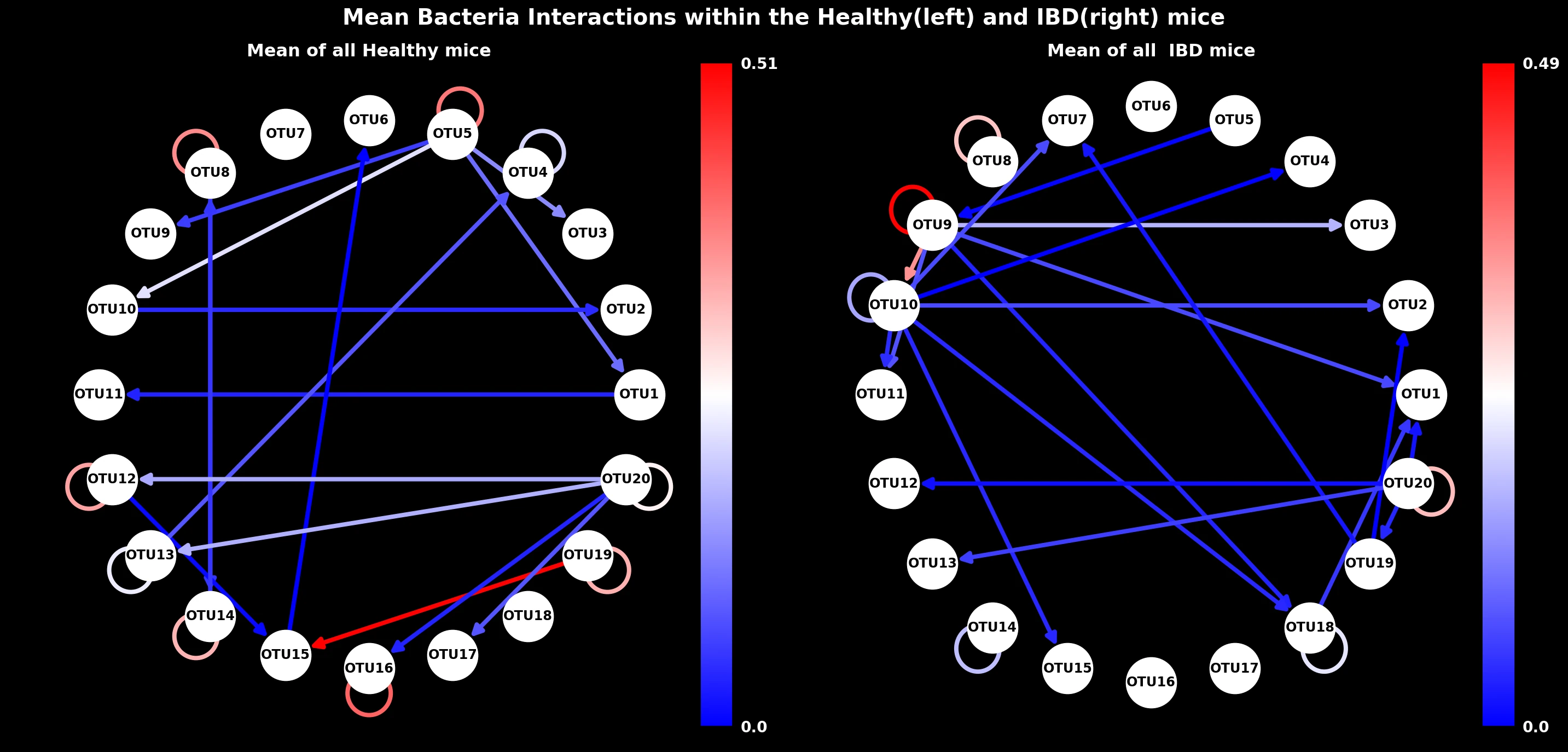
Estimated microbial interaction networks for healthy and IBD mice
ProjectsMay 1, 2019

Causal LSTMs for Mouse Microbiome Modeling

We used sparse LSTM models and Granger-causal analysis to compare microbial interactions in healthy and IBD mice.
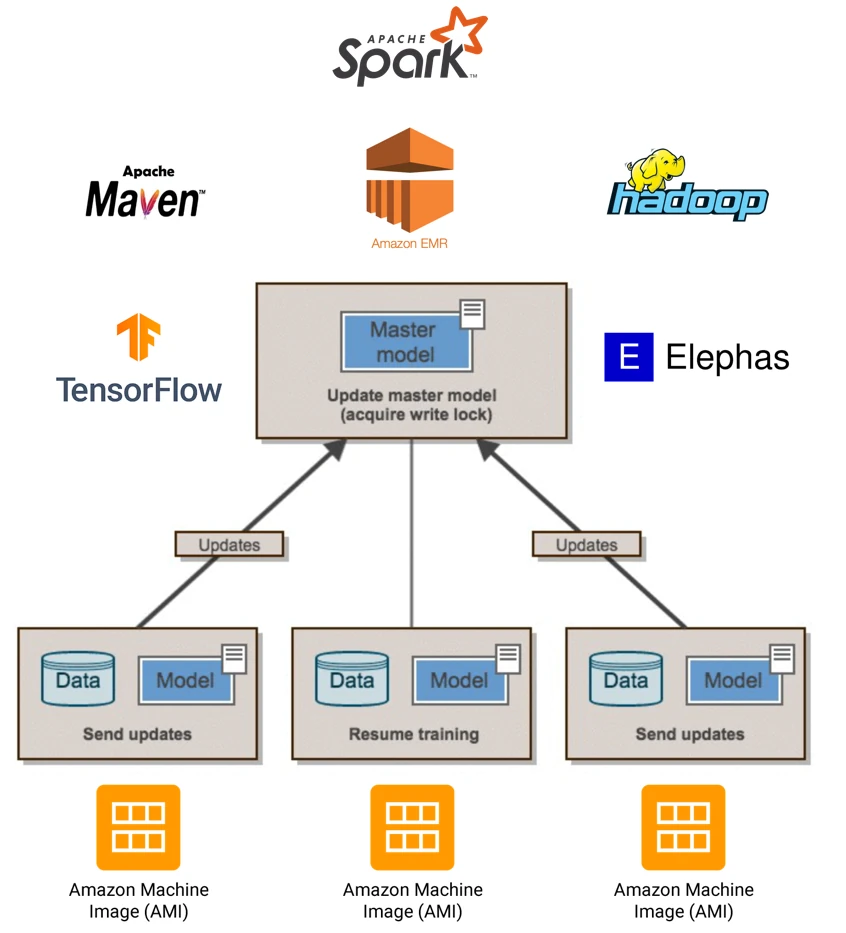
Measured training speedup as the number of Spark worker nodes increases
ProjectsMay 1, 2019

Distributed YouTube-8M Training with Spark and TensorFlow

We trained bidirectional LSTM video classifiers over YouTube-8M using Spark, Elephas, HDFS, and an AWS EMR cluster.
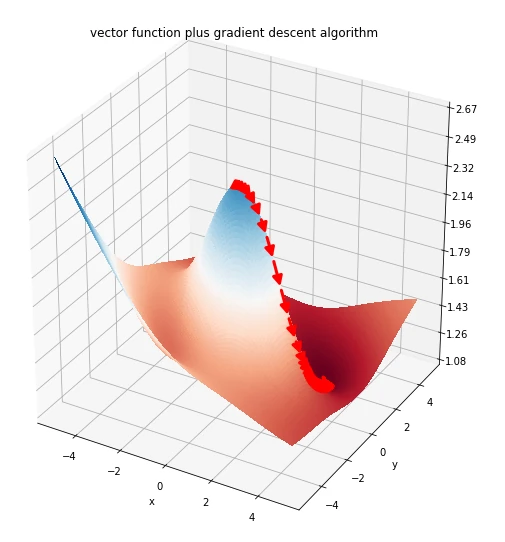
Gradient descent following a path across a three-dimensional objective surface
ProjectsDec 15, 2018

Automatic Differentiation from Scratch

We built a Python library for forward- and reverse-mode automatic differentiation, Jacobians, and gradient-based optimization.
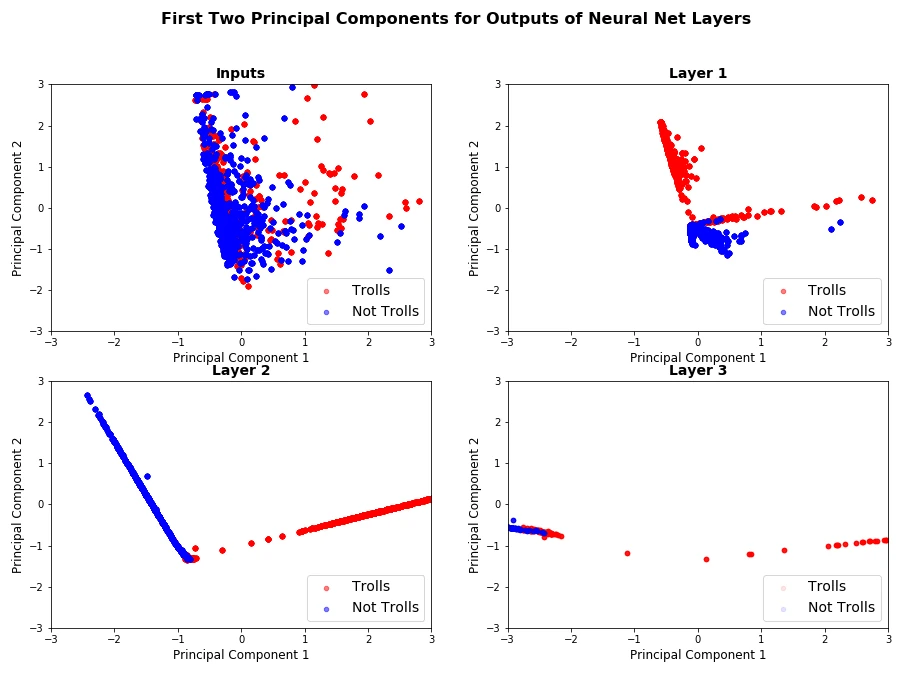
Principal-component projections showing troll and non-troll tweets separating across neural-network layers
ProjectsDec 15, 2018

Detecting Twitter Trolls with Machine Learning

We compared text representations and classifiers for identifying tweets from Internet Research Agency accounts.
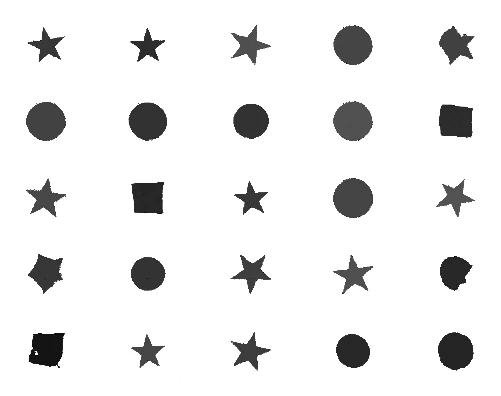
Samples of circles, squares, stars, and triangles generated by a Bayesian GAN
ProjectsDec 15, 2018

Bayesian Generative Adversarial Networks

We reproduced and evaluated a Bayesian GAN that uses stochastic-gradient MCMC to improve mode diversity and semi-supervised learning.
© 2026 Dylan Randle
GitHubLinkedInScholar